

 See My Latest Article on HelloNation
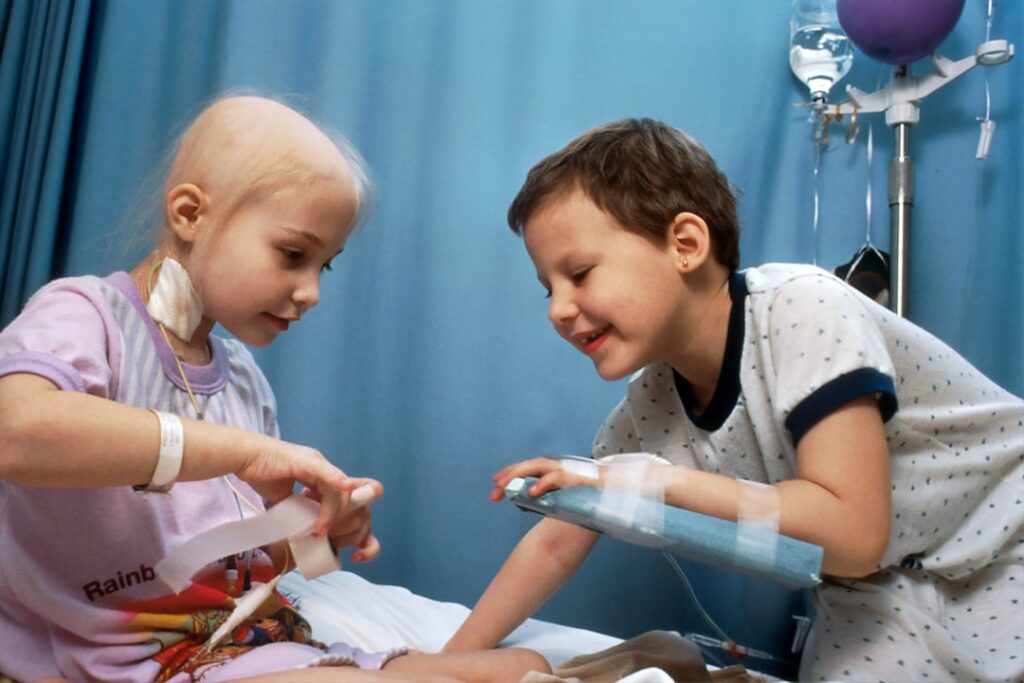
Why Are Healthy Friendships Important for Kids in Goshen, NY?
Strong friendships help children feel accepted, gain confidence, and build social skills that last into adulthood. In a close-knit community like Goshen, relationships offer more than just playtime—they foster connections throughout local schools, neighborhoods, and community events, supporting children’s emotional health.
Healthy peer relationships:
- Encourage positive communication and cooperation
- Teach children how to handle conflict and emotions constructively
- Support mental and physical wellbeing
- Help kids feel included and less lonely, especially in small communities with familiar faces
What Are Signs of a Healthy Friendship for Kids?
A healthy friendship involves mutual respect, kindness, and understanding. Signs that a child’s friendship is positive include:
- Both kids listen to each other and share their feelings openly
- Disagreements are handled calmly without hurtful words or aggression
- The children look forward to spending time together
- There isn’t pressure to change, keep secrets, or do things that make either uncomfortable
Sometimes, children may get upset with friends or have small arguments, but if most interactions are inclusive and respectful, the friendship is likely healthy.
How Can Families in Goshen, NY Encourage Positive Peer Relationships?
Modeling and supporting social skills at home lays the foundation for healthy connections outside the family. Local parents and caregivers can help in several ways:
- Encourage inviting classmates or neighbors for outdoor play in safe, familiar spaces like local parks or backyards
- Remind children to use polite greetings, take turns, and listen when others talk
- Respect children’s need for downtime after busy Goshen school days, so socializing feels enjoyable, not forced
- Teach how to express feelings—including frustration—calmly and respectfully
- Offer gentle guidance when conflicts arise, rather than jumping in to solve every disagreement
Normalizing apologies and explaining that mistakes can happen between friends encourages children to repair relationships on their own.
Are Group Activities in Goshen Useful for Developing Social Confidence?
Participating in structured group activities—such as after-school clubs, youth groups, or organized sports—lets children practice forming friendships in a safe, supervised setting. These activities provide common ground, which can make starting conversations easier for shy or new-to-town children. In Goshen, where the community is relatively small, kids often encounter familiar faces across different programs, helping to reinforce connections.
Depending on their interests and comfort level, some children thrive in smaller group activities or partner projects, while others enjoy larger team events. Local families can support social development by helping their children find the best fit, rather than pushing for highly competitive settings if that causes stress.
How Can Caregivers Help When Kids Struggle to Make or Keep Friends?
If a child frequently feels left out or has trouble building friendships, caregivers can offer support in several ways:
- Observe: Watch for patterns—does your child struggle in larger groups or have difficulty reading social cues?
- Encourage practice: Role-play common social scenarios at home, such as how to start a conversation or how to ask to join a game
- Validate feelings: Let children know everyone feels lonely or left out sometimes, and that friendships can take time to grow
- Partner with teachers: Educators in Goshen are used to small class sizes and can provide insight into social dynamics at school
- Suggest inviting one or two potential friends for low-pressure activities—like a shared hobby, walk, or creative project—rather than large gatherings

Seeking out supportive, understanding peers rather than changing oneself to fit in leads to longer-lasting, happier connections.
What Social Challenges Might Kids Face Locally, and How Can Adults Respond?
While Goshen offers a sense of community and shared traditions, children sometimes face challenges such as tight-knit “friend groups” that are slow to welcome newcomers, or social anxiety that’s heightened in small settings where everyone knows each other.
Adults can:
- Emphasize that it’s normal to cycle through different friendship groups as interests and personalities shift
- Remind children that not all peers need to become close friends; casual acquaintanceship is also valuable and normal
- Encourage inclusion by modeling friendliness with neighbors and discussing what it feels like to welcome someone new
Keeping an eye out for social exclusion or bullying is important. Quiet children or those new to Goshen may have a harder time finding their place without extra support. Regular check-ins can help adults notice concerns early.
How Do Seasonal and Local Routines Affect Friendship Opportunities?
Goshen’s calendar affects children’s everyday routines. Outdoor gatherings are easier in spring and fall, when local parks and yards provide meeting spots. In winter, kids may prefer indoor activities like board games, art projects, or group story times. Maintaining social interaction through changing seasons helps prevent isolation, especially as daylight hours shorten.
School breaks, holidays, and town events can be used as natural opportunities to strengthen bonds if children are comfortable and interested. However, respecting a child’s need for solitary activities or quiet time in between social plans helps ensure friendships grow at a comfortable pace.
What Misconceptions Do Families Have About “Good” Friendships?
Some local families worry if their child has only one or two close friends rather than a large group. In reality, quality matters more than quantity—a single kind, supportive friendship may be all a child needs to thrive.
Another misconception is that parents should manage every aspect of children’s relationships. While adults can set examples and offer advice, stepping back empowers kids to develop independent problem-solving skills and increases social confidence.
Healthy friendships look different for every child—focusing on respect, shared enjoyment, and emotional safety guides local families toward positive outcomes.