

 See My Latest Article on HelloNation
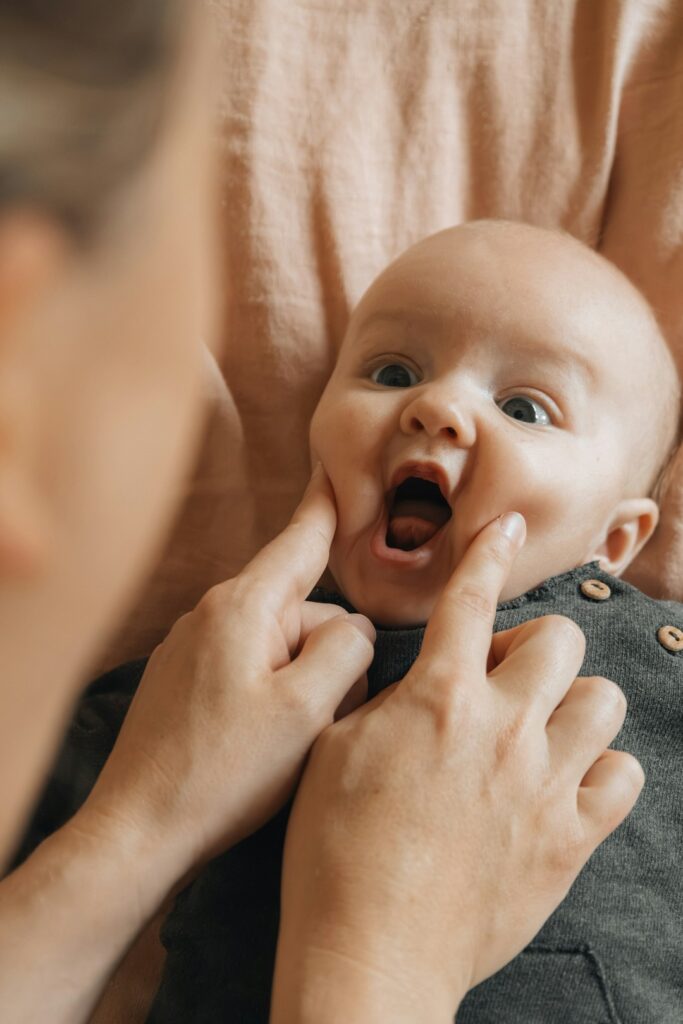
What Causes Teething Pain in Babies?
Teething pain is the discomfort many babies feel as their new teeth break through the gums, usually starting between 4 and 7 months of age. The process is natural, but the symptoms can catch families in Goshen, NY off guard, especially during local weather changes or busy household routines that make it harder to spot the signs.
Teeth moving beneath the gums causes inflammation and sensitivity. In some babies, this results in swollen or tender gums, drooling, fussiness, or disruption to sleep and feeding habits. Each child responds differently, and some experience barely any discomfort.
How Can Goshen Families Recognize Signs of Teething Pain?
The most common signals include:
- More frequent or intense drooling, often leading to a mild facial rash
- Increased chewing or gnawing on hands, toys, or household objects
- Irritability, crankiness, or trouble settling for naps or bedtime
- Swollen or reddened gums, visible when gently lifting the baby's lip
- Changes in appetite—some babies want to nurse or bottle-feed more, while others refuse feeds
It's common for families in this region to first notice discomfort during overnight wakings, particularly in colder winter months when dry indoor air may amplify gum sensitivity.
Are Fevers or Diarrhea Really Linked to Teething?
Mild increases in body temperature (not higher than 100.4°F) may coincide with teething, but actual fever and diarrhea are not direct symptoms. Misattributing persistent fever or loose stools solely to teething can delay addressing an unrelated illness.
If a baby develops a true fever, prolonged diarrhea, or other concerning symptoms, it’s wise for parents in Goshen to consider viral illnesses that circulate seasonally in the community before assuming teething is the only cause.
What Home Comfort Measures are Safe for Teething Babies?
Gentle, age-appropriate remedies can offer relief for most teething-related discomfort in local homes:
- Rubbing the baby's gums with a clean, damp finger
- Offering a chilled (not frozen) rubber teething ring
- Allowing the baby to safely chew on a clean, cold washcloth
- Using silicone or natural wood teethers without small parts
- Wiping drool frequently to prevent skin irritation
Many households keep teething rings in the refrigerator rather than the freezer to avoid excessive cold, which can damage delicate gum tissue.
Local drinking water is safe for cooling washcloths or rinsing teething toys, and household tap water is routinely tested.
Should Over-the-Counter Remedies Be Used?
Non-prescription pain relief can occasionally be considered, but only after non-medication approaches have been tried:
- Pediatricians sometimes recommend acetaminophen (Tylenol) for babies over two months, following dosing instructions exactly.
- Ibuprofen may be appropriate for babies over six months but should always be confirmed as safe for your child.

Numbing gels, benzocaine-containing products, and herbal or homeopathic tablets are discouraged for infants. The U.S. Food and Drug Administration warns against these due to rare but serious side effects.
Can Anything Prevent Teething Pain Altogether?
There’s no way to prevent the natural discomfort as teeth emerge. However, consistent routines and gentle home remedies make the process smoother for most area families.
Some local caregivers find that sticking to nap schedules and offering extra cuddles goes a long way, especially during chilly or stormy weather typical of Goshen winters. Creating a calm, distraction-filled environment—for example, reading a favorite board book or playing soothing music—can help take a baby’s mind off mild gum pain.
When Does Teething Pain Usually Improve?
Most babies adjust within a few days for each tooth, although the process can stretch over several months as multiple teeth emerge. Discomfort typically is worst right before a tooth breaks through and fades soon afterwards.
For some in the community, the teething timeline feels unpredictable, with periods of fussiness spaced out by weeks of calm. Support from friends or family members who have recently navigated teething can be reassuring for local parents.
When Should Local Families Seek Help for Teething Symptoms?
While teething is rarely serious, there are situations when area households should think beyond typical remedies:
- If the baby refuses all fluids or feeding for more than a few hours
- If drooling is so excessive it leads to dehydration (less wet diapers than usual)
- If high fever, rash, or unusual lethargy develops
- If teething pain leads to persistent sleep disruption or major changes in mood
In these cases, consulting a pediatric healthcare provider ensures no other medical issues are present.
How Does Teething Intersect with Life in Goshen?
Lifestyle factors unique to the Goshen area—like seasonal temperature shifts, the prevalence of carpeted homes, and long winter indoor periods—may shape how babies experience teething. Dry indoor air from heating systems can affect gum sensitivity, while busy family and work schedules might make it harder to maintain routines during difficult stretches.
Community support, whether from extended family or parenting groups, often helps local families share practical insights and emotional encouragement throughout this developmental stage.