

 See My Latest Article on HelloNation
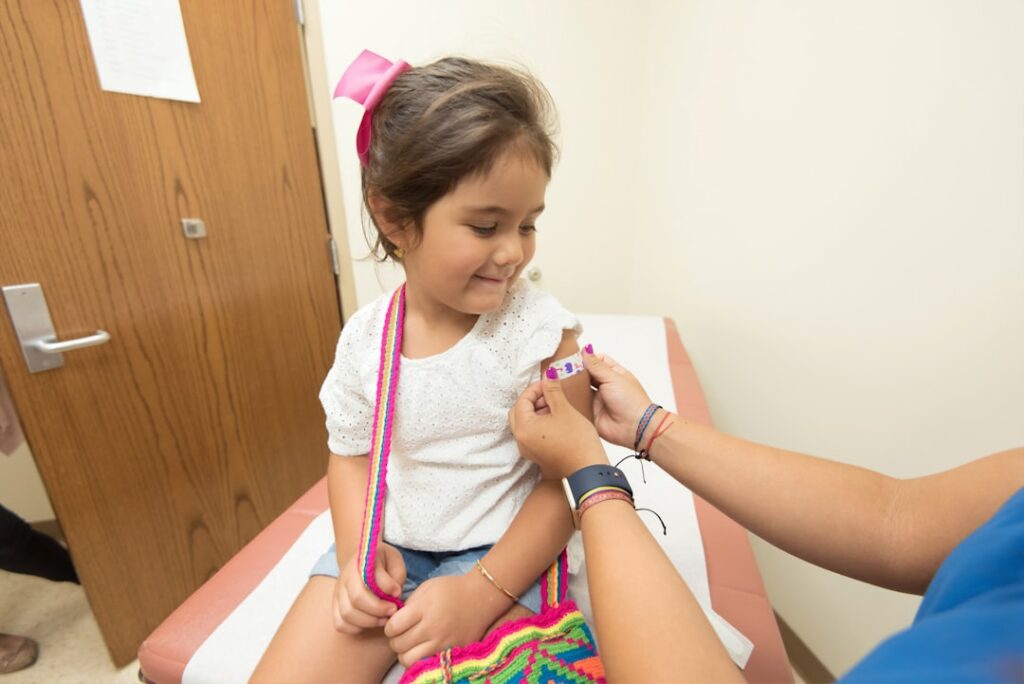
Why Is the Flu Vaccine Recommended for Children in Goshen, NY?
The flu vaccine is advised each year for children because it helps protect against influenza, a virus that can cause mild to severe illness and lead to complications, especially in younger kids. In Goshen, local schools, daycare centers, and community events often bring children together indoors during the colder months, increasing the flu’s spread. Vaccinating kids reduces the risk for both individuals and the broader community, including older adults and infants who may be more vulnerable.
Who Should Get the Flu Vaccine?
The Centers for Disease Control and Prevention (CDC) recommends annual flu vaccination for almost everyone aged 6 months and older, unless medically contraindicated. For families in Goshen, this means that most children and teenagers are candidates. Kids with asthma, diabetes, heart conditions, or weakened immune systems are especially encouraged to get vaccinated, as they face a higher risk of serious complications. Newborns under 6 months cannot be vaccinated, so protecting those around them is especially important.
When Is the Best Time for Kids to Get Vaccinated Each Year?
It’s best for children to get the flu vaccine in early fall, ideally by the end of October. This allows time for their immune system to build protection before influenza typically circulates most widely throughout the city—from late autumn to early spring. With unpredictable first frosts and kids back in classrooms, early vaccination helps prevent outbreaks before peak flu season. Late vaccination is still useful, though, as flu activity can continue into March or even April some years.
What Types of Flu Vaccines Are Available for Children?
For children in Goshen, there are two main forms of the vaccine:
- Flu shot: An injection, approved for children 6 months and older.
- Nasal spray: A mist given in the nose, available for most healthy children aged 2 years and up.
Both types work by introducing inactivated or weakened parts of the influenza virus, prompting the immune system to build its defenses without causing illness. Some children with chronic health conditions or weakened immunity may only be eligible for the shot. The doctor can confirm the best option for each child.
Are There Side Effects or Reasons Some Kids Should Not Get the Vaccine?
Most side effects are mild, short-lived, and include:
- Soreness or redness at the injection site (if getting the shot)
- Mild fever or aches
- Runny nose or cough (with the nasal spray)
Severe allergic reactions are rare. Children who have had a severe allergy to any ingredient in the vaccine or to a previous flu shot might need to avoid it. Parents should discuss any history of egg allergy with the doctor, though most current vaccines are safe for those with mild egg allergies. For any uncertainty about health history, medical professionals can advise on safety.
How Effective Is the Flu Vaccine in Preventing Influenza?

The effectiveness of the flu vaccine varies year to year because influenza strains change. Some seasons, the vaccine is a close match to circulating strains and offers strong protection; in other years, protection is more moderate but still meaningful. In Goshen, having a significant portion of local children vaccinated helps slow the spread, even when the vaccine isn’t a perfect match.
While no vaccine can guarantee complete immunity, most children who are vaccinated and still get the flu have a milder illness with lower risk of hospitalization. This can be especially important for kids with frequent exposure to group settings in schools and sports.
Common Questions About the Flu Vaccine for Kids
Can my child get influenza from the vaccine?
No. The shot uses an inactivated virus, and the nasal spray uses a weakened form that cannot cause illness in healthy people.
Does my child still need the vaccine if they are healthy?
Yes. Even healthy children can get and spread influenza. Vaccination helps protect their classmates, family members, and those at risk for complications.
What if my child is sick when the vaccine is offered?
Mild cold symptoms are not usually a problem. Children with a moderate or severe illness might be advised to wait until they feel better.
What If My Child Needs Two Doses for Full Protection?
Some younger children getting the flu vaccine for the first time (typically ages 6 months through 8 years) need two doses, spaced at least four weeks apart. The first dose primes their immune system, while the second builds stronger protection. This is especially relevant for families introducing the flu vaccine early in a child’s life.
Is the Flu Vaccine Required for School Attendance in Goshen?
Currently, the flu vaccine is recommended but not generally mandated for school-aged children in the community. Requirements may differ for certain preschool or daycare programs, as these environments can be particularly vulnerable to outbreaks. Checking with your child’s school or the local health department can clarify specific regulations.
How Does Getting Vaccinated Support Community Health?
Vaccinating children helps limit the spread of influenza within the city, protecting not only vaccine recipients but also siblings, grandparents, neighbors, and local residents who may not be able to be vaccinated themselves. Every year, reducing the overall number of flu cases means less disruption to school, work, and daily life throughout Goshen.