

 See My Latest Article on HelloNation
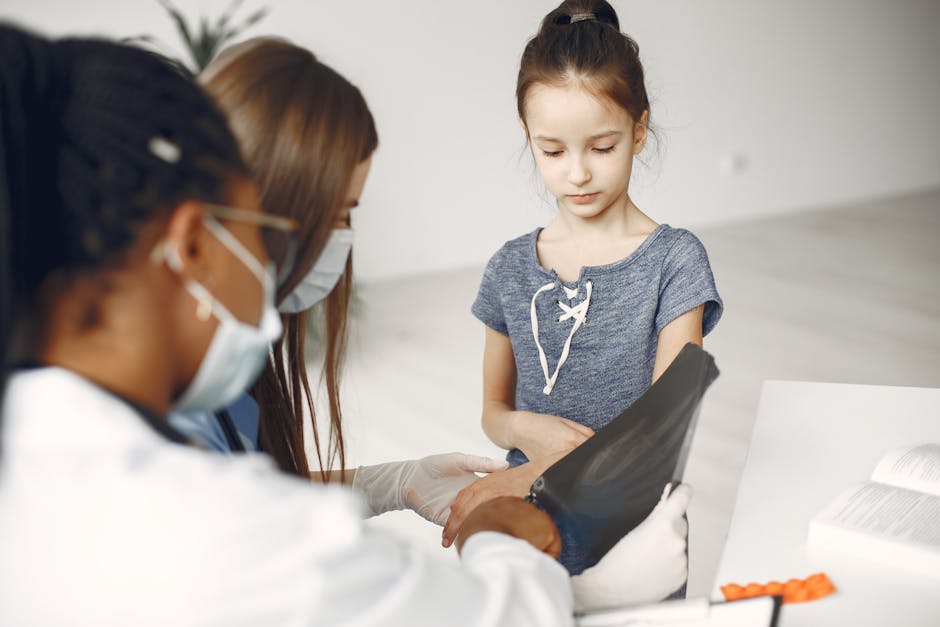
Eczema, or atopic dermatitis, is one of the most common chronic skin conditions affecting children in the United States. For many families in Goshen, NY, understanding eczema and how to manage it can transform daily life and prevent unnecessary discomfort for their child. This guide will cover the essentials of childhood eczema, triggers common in our region, and practical tips to keep symptoms at bay.
What is Childhood Eczema?
Eczema refers to a group of conditions that cause the skin to become red, itchy, and inflamed. In children, it most often appears on the face, elbows, knees, and hands, sometimes showing up as dry, patchy, or oozing skin. The good news? Eczema isn’t contagious, but it tends to run in families and can be managed with the right care.
What Causes Eczema in Children?
The exact cause of eczema remains unclear, but research points to a mix of genetic and environmental factors. If you or your child’s other parent struggled with eczema, asthma, or hay fever, your child is more likely to develop this condition. Environmental triggers—especially those found in the Hudson Valley—also play a role.
Here are some factors that can worsen eczema:
- Dry or cold weather (common in Goshen winters)
- Pollen and outdoor allergens, which are prevalent in our rural and semi-rural communities
- Wool or synthetic fabrics
- Harsh soaps, fragrances, or detergents
- Stress or illness
Signs and Symptoms of Eczema in Children
Recognizing eczema in its early stages can help prevent flare-ups. Here are the signs to watch for:
- Red or brownish-gray patches, especially on the cheeks, scalp, elbows, or knees
- Persistent itching, which may worsen at night
- Dry, cracked, or thickened skin
- Small, raised bumps that may leak fluid
- Raw or sensitive skin from frequent scratching
How Does Goshen, NY’s Local Environment Impact Eczema?
The weather and local climate in Goshen can impact eczema symptoms. Cold, dry air in winter can sap moisture from your child’s skin, leading to more frequent flare-ups. Come spring and fall, when outdoor allergens peak, children may also see their eczema worsen. Exploring our scenic local parks like Salesian Park or enjoying outdoor sports can expose kids to pollen, which can act as a trigger.
Indoor heating in the winter can further dry out skin, while chlorinated pools during summer swim lessons may also irritate sensitive skin. Understanding these local lifestyle factors helps tailor your approach to managing childhood eczema.
Practical Tips for Managing Eczema at Home
Daily care and awareness of triggers are the best strategies for keeping eczema under control. Here’s what families in Goshen can do:
Daily Skincare
- Use gentle moisturizers: Apply fragrance-free, thick creams or ointments (like petroleum jelly) after every bath or shower.
- Choose mild cleansers: Look for soap-free or hypoallergenic body washes.
- Limit bath time: Keep baths or showers lukewarm and under 10 minutes.
- Pat—don’t rub—skin dry: This prevents additional irritation.
Managing Triggers
- Dress for the weather: Use soft, breathable cotton layers to prevent sweating and irritation, especially when kids play at the Thomas Bull Memorial Park or school playgrounds.
- Run a humidifier: Especially during winter, humidifiers add moisture back into dry, heated air at home.
- Avoid harsh chemicals: Choose unscented laundry detergents and skip fabric softeners.
- Keep nails trimmed: This reduces the harm from scratching.
Coping With Allergens
- Monitor pollen counts: On high pollen days—common during Goshen’s peak spring and fall seasons—consider limiting outdoor time.
- Shower after outdoor play: Rinsing off removes pollen, grass, and other triggers.
- Dust and vacuum regularly: This reduces indoor allergens that can aggravate eczema.
School and Social Considerations
Goshen’s schools and preschools are familiar with managing allergies and skin conditions, but always alert your child’s teachers and nurses about their eczema. Pack extra moisturizer for your child and encourage gentle hand-washing to avoid flare-ups while away from home.
When to See a Pediatrician
If home remedies aren’t controlling your child’s symptoms, or if the skin becomes infected (red, warm, pus-filled, or accompanied by fever), it’s time to seek medical help. Prescription creams, allergy testing, and sometimes oral medications are available to help control severe eczema. Your local Goshen pediatrician can help create a treatment plan customized for your child’s needs.
Frequently Asked Questions from Goshen, NY Parents
Can allergies cause eczema?
Allergies don’t directly cause eczema but can be a trigger. Common allergens in our region include pollen, pet dander, and certain foods.
Will my child outgrow eczema?
Many kids see improvement in their symptoms as they get older, but some carry eczema into adulthood.
Is there a “cure” for eczema?
There’s no cure, but most children respond well to consistent skincare and trigger avoidance.
Are there community resources in Goshen for parents?
Local pediatricians, the Orange County Department of Health, and community events often offer educational resources for families dealing with eczema and other childhood conditions.
Supporting Children with Eczema in Goshen, NY
Living with eczema doesn’t have to mean constant discomfort. With supportive care, attention to local lifestyle triggers, and a proactive approach, most children in Goshen can participate fully in school, sports, and outdoor fun. If you have ongoing concerns, your local pediatrician is always there to help you navigate the best path forward for your child’s skin health and well-being.