

 See My Latest Article on HelloNation
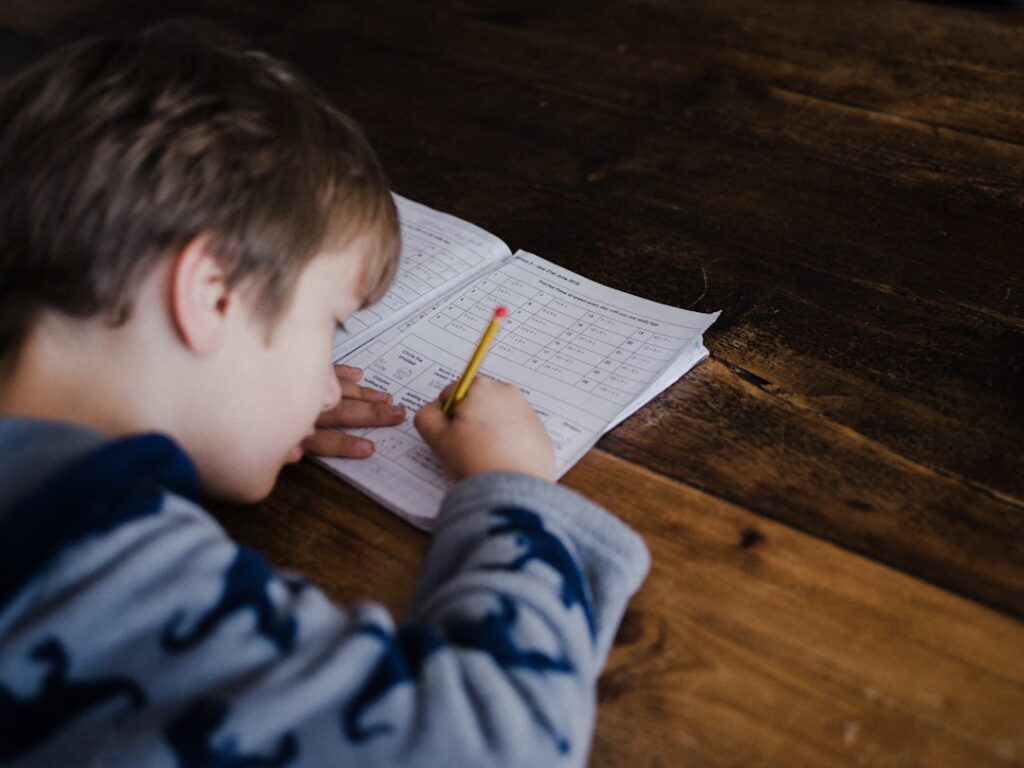
What Are Learning Differences and Why Do They Matter to Families in Goshen, NY?
Learning differences refer to the various ways that children's brains process information, which can affect how they read, write, solve problems, or pay attention in school. For families in Goshen, understanding these differences early provides opportunities to adapt at home and school, helping children thrive.
Learning differences are not the result of a child's effort or intelligence; they stem from neurological processes that are simply unique. Recognizing the early signs helps families support their child more effectively, ensuring they don't face unnecessary frustration or setbacks as they grow in the area’s classrooms.
What Signs Might Indicate a Learning Difference in a Child?
Children with learning differences often show patterns that stand out compared to peers their age. These do not always mean a diagnosis, but they do highlight places for families to observe and potentially discuss concerns with professionals.
Examples of possible signs:
- Struggles with reading, even after extra practice
- Difficulty understanding instructions or remembering routines
- Avoidance of homework or reading aloud
- Frustration with writing assignments, or unusually messy handwriting
- Trouble with math facts, numbers, or simple calculations
- Easily distracted or unusually disorganized for their age
Differences can be subtle; behaviors might only surface in certain environments, such as while doing schoolwork at home on a snow day or completing summer reading in the backyard.
How Do Local Conditions and School Environments Affect Learning Differences?
The settings and routines in Goshen homes and schools can shape how learning differences are spotted. For instance, small class sizes in local elementary schools often mean teachers notice differences in reading pace or participation. Similarly, the region's changing seasons may affect attention levels due to transitions between outdoor and indoor activities.
Family routines can also reveal patterns. For example, changes in homework habits during colder months, when children spend more time indoors, might bring struggles into sharper focus. In contrast, summer learning programs run by public agencies can highlight academic areas where a child excels or falls behind.
Are All Learning Challenges Learning Differences?
Not every struggle points to a learning difference. All children have strengths and weaknesses, and temporary setbacks can be caused by factors like:
- Adjustment to a new grade or teacher
- Illness or sleep disruptions due to seasonal changes
- Emotional stress from family or environmental changes
Persistent, consistent issues that do not improve over time or with targeted help are more likely to reflect a learning difference rather than a passing difficulty. If concerns continue from one marking period to the next, it may be worth further exploration.
What Are Common Misconceptions About Learning Differences?
Many area families assume that learning differences mean a child "can't learn" or "just isn't trying hard enough." In reality:
- Children with learning differences are as intelligent as their peers
- These children often have unique problem-solving abilities or creative strengths
- Effective teaching methods and support strategies can allow these children to do well academically and socially

Another misconception is that learning differences are always obvious or dramatic. Sometimes, high-achieving students experience significant difficulty in a single subject, called “unexpected underachievement,” which can be overlooked.
When Should Families Seek More Information or Support?
If you notice recurring difficulties—such as needing frequent re-explanations of homework, ongoing spelling challenges, or growing school avoidance—it may be time to seek resources. Teachers, pediatricians, and school support staff in the community are trained to discuss concerns neutrally and privately.
No major decisions need to be made alone. Conversations often start with simple sharing of observations, review of classwork, or informal screenings. Early involvement can reduce anxiety for both children and families, making adjustments manageable.
How Can Families and Caregivers Encourage Everyday Learning Success?
Supportive home environments help all children, including those with learning differences. Practical strategies include:
- Predictable routines (especially during busy sports seasons or winter weather)
- Clear, step-by-step instructions
- Organized study spaces with reduced distractions
- Checking in with children about homework in small daily moments, such as after dinner or during car rides to local activities
Celebrate effort and progress, not just correct answers. Children are more likely to stay positive when small successes are noticed.
Why Is Early Recognition Especially Valuable in Goshen Households?
With the academic year shaped by local traditions, holidays, and seasonal events, identifying learning differences early allows families to plan for supportive transitions—like extra reading help before the school year begins or integrating movement breaks during long winter evenings indoors.
Local schools generally welcome conversations with families about any learning concerns. Early recognition helps connect children with classroom adaptations or available resources for extra support, especially if a difference becomes noticeable before state testing or promotion to a new grade.