

 See My Latest Article on HelloNation
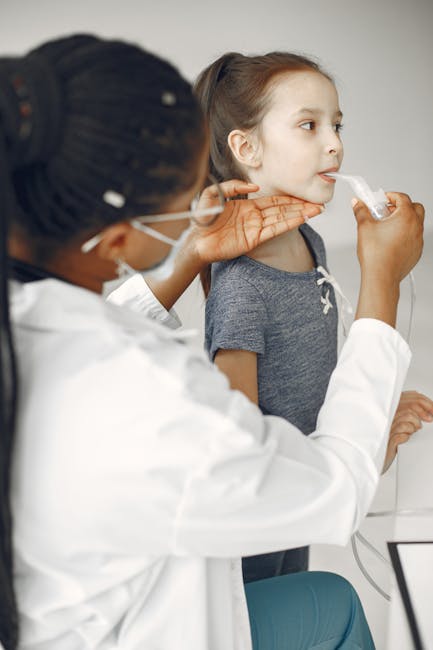
Asthma is one of the most common chronic illnesses affecting children in the United States, and Goshen, NY is no exception. While managing asthma can seem overwhelming for families, understanding this condition and learning practical strategies tailored to local life can help ensure your child thrives. This guide provides answers to the questions parents often ask about asthma symptoms, diagnosis, triggers, and management, with a special focus on our community’s unique lifestyle in Goshen.
What Is Childhood Asthma?
Asthma is a long-term condition that causes inflammation and narrowing of the airways, making it difficult to breathe. Children with asthma may experience episodes known as “asthma attacks,” where symptoms worsen and immediate treatment is needed. The good news is that with education, monitoring, and treatment, most children with asthma can lead active, unrestricted lives.
Recognizing Asthma Symptoms in Children
Knowing the signs of asthma is essential for getting your child the care they need. Symptoms in children may include:
- Frequent coughing, especially at night or early morning
- Wheezing or whistling sound when breathing out
- Shortness of breath or rapid breathing
- Chest tightness or pain
- Fatigue, especially during play or physical activity
Keep in mind that asthma looks different in every child. Some may have symptoms only during allergy season or after exercise, while others may experience more persistent problems.
What Triggers Asthma in Goshen, NY?
Understanding and avoiding your child’s asthma triggers is key. In Goshen, NY, common triggers can include:
- Seasonal pollen from trees and grass: With Goshen’s beautiful parks and green spaces, pollen counts can be high in spring and fall.
- Cold winter air: Chilly, dry air during Orange County winters can irritate airways.
- Indoor allergens: Due to months spent indoors, dust mites, mold, and pet dander can be triggers, especially in older or historic homes.
- Outdoor air quality: Occasional high ozone levels or smoke from nearby wildfires can worsen asthma symptoms.
- Exercise: Active children, especially those participating in local sports leagues or enjoying the Heritage Trail, may have exercise-induced symptoms.
Diagnosing Asthma in Children
Diagnosis begins with a thorough medical history and physical examination by your pediatrician. Your child may also need lung function tests, such as spirometry, to measure how well they breathe. In younger children, diagnosis can be based largely on history since formal testing may be challenging.
Goshen parents should talk to their child’s doctor if they notice persistent coughing, repeated episodes of bronchitis, or trouble keeping up with peers during activities. Early diagnosis helps prevent problems and improves quality of life.
How to Manage Asthma in Your Child
Asthma management is highly individualized, and your child’s doctor will develop a plan tailored to their needs. Key components include:
Asthma Action Plan
Every child with asthma should have a written Asthma Action Plan, developed with their pediatrician. This plan details:
- Daily management (what medicines to take and when)
- How to identify and address worsening symptoms
- When to call the doctor or seek emergency care
Medication
There are two main types of asthma medications:
- Long-term control medicines: Taken daily to prevent symptoms by reducing inflammation.
- Quick-relief (rescue) medicines: Used as needed for immediate relief of asthma symptoms.
Common medicines include inhaled corticosteroids, leukotriene modifiers, and short-acting bronchodilators. It's important to follow the prescribed schedule, even when your child feels well.
Avoiding Triggers
- During high pollen seasons, check daily pollen counts in Goshen and keep windows closed.
- Use high-efficiency particulate air (HEPA) filters in the home and vacuum regularly.
- Limit outdoor activity on days the air quality index is poor or temperatures drop sharply.
- Use allergen-proof covers on pillows and mattresses.
- Encourage children to wear scarves over their nose and mouth when playing outside in cold weather.
Encouraging Physical Activity
Goshen is known for its vibrant community events and beautiful outdoor spaces like the Goshen Historic Track and Heritage Trail. Children with asthma can and should participate in physical activity! Talk to your doctor about pre-exercise medication and monitoring symptoms. Give teachers and coaches a copy of your child’s Asthma Action Plan.
When to Seek Help
Asthma emergencies can develop quickly. Seek immediate medical attention if your child experiences:
- Severe shortness of breath or rapid breathing that does not improve with rescue medication
- Inability to speak in full sentences
- Bluish lips or face
- Retractions (skin pulling in around the ribs or neck when breathing)
Do not hesitate to call 911 or go to the nearest emergency room. Goshen is served by reputable pediatric emergency services within and nearby Orange County.
Supporting Families in Goshen, NY
Living in Goshen allows families to enjoy a close-knit community with access to excellent pediatric care. Partner with your child’s school nurse, communicate regularly with teachers, and participate in local asthma education programs. Consider joining parent support groups based in Orange County for advice and encouragement.
Frequently Asked Questions
Can children with asthma attend school and sports in Goshen?
Yes, with proper management, children with asthma can enjoy full participation in school and extracurricular activities.
Are there local resources for families?
Many local clinics and schools in Goshen have resources and workshops to educate families about asthma management. Your pediatrician can connect you with these opportunities.
Does childhood asthma go away?
Some children outgrow asthma, but many need ongoing management into adolescence or adulthood. Regular check-ups are essential.
Conclusion
Asthma is a common but very manageable condition in children. With the right tools and community support—especially in family-friendly Goshen, NY—your child can breathe easier and enjoy all that childhood has to offer. If you have concerns about your child’s breathing, don’t hesitate to reach out to a local pediatrician for advice, diagnosis, and an individualized care plan.