
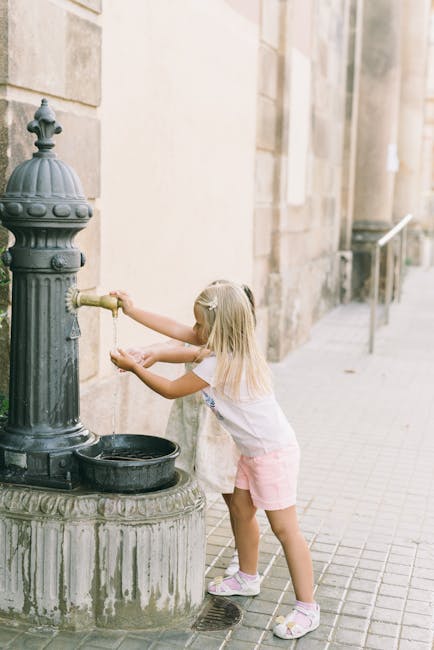
Staying hydrated is essential for every child’s health, development, and well-being. Yet, parents often wonder, “How much water should my child drink each day?”—especially with Goshen’s seasonal weather changes, outdoor activities, and busy school schedules. As a trusted local pediatric medicine expert in Goshen, NY, I’ll break down the science, recommend practical tips, and discuss how our unique Mid-Hudson Valley lifestyle can influence your child’s hydration needs.
Why Is Water So Important for Children?
Water is crucial for every system in a child’s body. It regulates temperature, supports healthy digestion, moves nutrients throughout the body, and flushes out waste. Unlike adults, children are more vulnerable to dehydration because their bodies have higher water needs relative to their smaller size and they may not always recognize thirst signals.
- Promotes optimal brain function and concentration in school
- Helps regulate body temperature — important on humid Goshen summer days
- Supports energy for sports and local outdoor activities
How Much Water Should Kids Drink Each Day?
The amount of water children need depends on their age, size, activity level, and even the local climate. While there’s no universal “one-size-fits-all” rule, general recommendations endorsed by pediatric health experts are:
- Ages 1-3 years: About 4 cups (32 ounces) of fluids daily (includes milk & water)
- Ages 4-8 years: About 5 cups (40 ounces) per day
- Ages 9-13 years: 7–8 cups (56–64 ounces) for girls, 8–10 cups (64–80 ounces) for boys daily
- Ages 14-18 years: 8–11 cups (64–88 ounces) for girls, 11–14 cups (88–112 ounces) for boys daily
Fluids include water, milk, and other beverages—but water should be the main source, especially in school-age kids and teens.
Special Considerations for Goshen, NY Families
Goshen’s community lifestyle means kids are often on the move. Our children participate in sports like soccer, baseball, track, and swimming—especially during warm-weather months at places like Salesian Park or the Goshen Aquatic Center. During these active periods, kids lose water through sweat and may need even more fluids than the minimum recommendations.
- Outdoor play in spring and summer: Add an extra cup or two of water for each hour of vigorous activity
- Cold winter months: Indoor heating can be dehydrating; encourage regular sips even if your child doesn’t feel thirsty
- School Days: Pack a reusable water bottle in your child’s backpack—a must for Goshen’s numerous school programs
Signs Your Child May Need More Water
Recognizing dehydration early is key. Since children in Goshen, especially when busy at the playground or Pumpkin Festival, may forget to drink, watch for:
- Dry or cracked lips
- Dark yellow urine or less frequent urination
- Fatigue, crankiness, or headache
- Dizziness or lightheadedness
- Fewer tears when crying
If you notice these symptoms, encourage your child to take small, regular sips of water and monitor for improvement. Severe signs (such as confusion, rapid heartbeat, or lethargy) deserve prompt medical attention.
How to Help Kids Drink Enough Water Every Day
Getting kids to drink water—especially when juice, soda, or sports drinks are tempting—can be a challenge. Here’s what works for many Goshen families:
- Make it fun: Let kids pick their own water bottles or cups
- Flavor naturally: Add slices of local fruit (like Goshen apples) to enhance appeal without added sugars
- Offer water at every meal and snack, not just during sports
- Be a role model: Drink water with your child and talk about its benefits
- Set reminders: Create family routines around hydration, especially for after-school practice or evening homework sessions
Addressing Water from Other Sources
Remember, water isn’t the only source of fluids. Milk, soups, fruits (like watermelon and oranges), and vegetables (cucumbers, tomatoes) also count toward a child’s daily intake. However, relying on water for hydration helps limit sugars, calories, and unnecessary additives. Avoid excessive juice and skip sugary sodas altogether.
Hydration in the School and Community Setting
Goshen schools generally offer water fountains and encourage hydration, but creating a personal hydration plan is wise:
- Send a labeled water bottle each day
- Remind children to drink during lunch and recess
- Ask teachers or school nurses about hydration breaks, especially during standardized testing periods or field trips
For parents of young athletes, talk to local coaches about sports hydration strategies and post-practice snack ideas that include water-rich foods.
When to Consult a Pediatrician
If you’re concerned your child isn’t drinking enough or is showing signs of dehydration despite your efforts, reach out. Also consult a healthcare provider if your child has:
- Persistent vomiting, diarrhea, or fever
- Medical conditions requiring special fluid management (e.g., diabetes, kidney disease)
- Ongoing issues with excessive thirst or urination
Our office in Goshen, NY, is always here to help with your child’s health and hydration needs.
Final Thoughts
Proper hydration ensures that children in Goshen, NY thrive—at home, at school, and on the athletic field. Teach your child to make water their first choice, keep water easily accessible, and model healthy habits. With just a little planning, your child will enjoy all the benefits of staying well-hydrated in every season.
If you ever have doubts or questions about your child’s individual water needs, your pediatrician is your best resource for personalized advice.